Capturing Divine Love: A Journey Through Radha Krishna Drawing
In the realm of Indian spirituality and art, few representations are as enchanting as those of Radha and Krishna. Their bond transcends the mere physical, delving into the depths of divine love and devotion. Artists have sought to capture this essence through the delicate strokes of their brushes, breathing life into their intricate drawings. Each Radha Krishna drawing serves as a testament to this timeless love, reverberating with emotion and spirituality that resonates deeply with those who encounter it.
Exploring Radha Krishna drawings is a journey through cultural history and personal expression. These artworks not only reflect the artistic styles of their time but also embody the spiritual significance of the relationship between Radha and Krishna. As we delve into this journey, we uncover the layers of meaning and beauty that these drawings hold, inviting viewers to connect with the profound and poetic nature of their love story. Through vibrant colors and intricate patterns, artists convey a sense of unity and transcendence, reminding us of the divine connection that exists in all of us.
The Significance of Radha Krishna in Art
Radha Krishna are often depicted together in art, representing the ideal of divine love and devotion. Their relationship embodies the spiritual connection between the soul and the divine, serving as a symbol of love that transcends the material world. Artists throughout history have drawn inspiration from this divine couple, capturing the essence of their relationship through various mediums. The grace and beauty of their forms serve not only as a testament to their love but also encourage viewers to seek a deeper connection with the divine.
The imagery of Radha Krishna is infused with rich symbolism, reflecting elements of nature, emotion, and spirituality. For instance, Krishna is frequently shown playing the flute, which signifies the call of the divine. Radha, often portrayed with delicate features and vibrant attire, symbolizes the soul's yearning for God. This dynamic is captured in countless Radha Krishna drawings, where artists use color, form, and composition to express the lovers' emotional depth. Each stroke of the brush or pencil tells a story of longing, union, and ecstasy, inviting the observer to immerse themselves in the divine narrative.
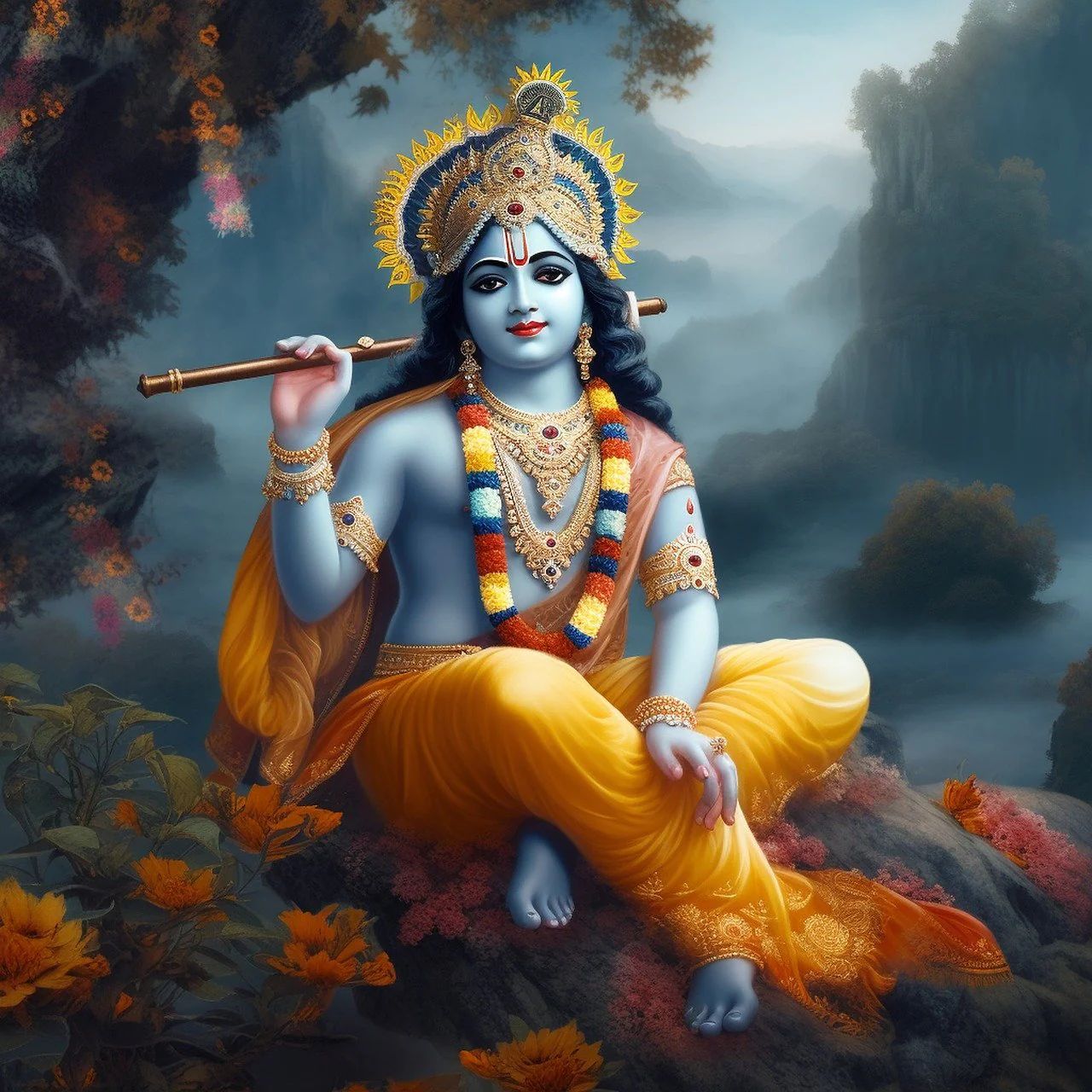
Moreover, the artistic representation of Radha Krishna has evolved over time, influenced by cultural contexts and artistic movements. From traditional miniature paintings to contemporary interpretations, artists continue to explore new ways of expressing this timeless theme. Each drawing not only preserves the essence of the ages-old tales but also makes them accessible to new generations. The significance of Radha Krishna in art lies not just in their beauty but in their ability to inspire love, devotion, and a quest for the divine in every heart.
Techniques for Capturing Divine Love
To effectively capture the essence of Radha Krishna in drawings, artists can begin by focusing on the emotional expression conveyed through the characters. Using fluid lines and soft contours can reflect the gentle, loving nature of their relationship. Drawing from various poses that depict intimacy and joy allows the artist to immerse viewers in the divine connection. Capturing moments of gaze or shared smiles can further amplify the feeling of divine love in the artwork.
Color selection is also crucial in depicting Radha Krishna. Vibrant hues typical of traditional Indian art can bring the characters to life. Rich colors such as deep blues and radiant yellows symbolize their divine attributes and spiritual significance. The use of contrasting colors can draw attention to certain aspects of the drawing, highlighting the bond between the two figures and enhancing the emotional depth. A harmonious color palette will not only captivate the eye but also evoke feelings of love and devotion.
Lastly, incorporating intricate patterns and backgrounds can elevate the drawing to new heights. Traditional motifs, like floral designs or geometric shapes, can frame Radha Krishna, creating a sense of completeness. Including elements such as peacocks or lotuses, which hold great symbolism in Indian culture, can add layers of meaning to the artwork. This attention to detail can transform a simple representation into a profound expression of their divine love, encouraging viewers to connect with the spiritual narrative woven into the artwork.
Interpretations and Symbolism in Radha krishnadrawing .in/category/krishna-drawing”>Krishna Drawing s
Radha Krishna drawings are rich in symbolism, representing the divine love that flows between the two figures. Radha is often depicted in vibrant colors, symbolizing her passion and devotion. Krishna, on the other hand, is usually illustrated with blue or dark skin, representing his divine nature and his connection to the infinite. Radha Krishna Drawing share, where Radha embodies the soul's longing for the divine, and Krishna represents the ultimate goal of that longing.
The use of flora and fauna in these drawings further enhances their meaning. Flowers, especially the lotus, signify purity and beauty, symbolizing the blooming of love. Peacocks, often associated with Krishna, represent grace and celebration. These elements reflect the spiritual message that nature is intertwined with divine love, reminding the viewer of the beauty and intricacies of their connection. Each detail adds depth, inviting contemplation and interpretation.
Additionally, the context of their depictions plays a crucial role in understanding the drawings. Scenes showcasing joyful moments in Vrindavan often underline the playfulness and tenderness in their relationship. This illustrates that divine love is not just about devotion but also encompasses joy, camaraderie, and mutual admiration. Each drawing serves as a timeless reminder of the ideals of love and devotion, encouraging viewers to reflect on their own relationships with the divine and with others.